Notice: Function _load_textdomain_just_in_time was called incorrectly. Translation loading for the blossom-pin domain was triggered too early. This is usually an indicator for some code in the plugin or theme running too early. Translations should be loaded at the init action or later. Please see Debugging in WordPress for more information. (This message was added in version 6.7.0.) in /home/soliddes/faceenhancingorthodontics.com/wp-includes/functions.php on line 6131
2025 – Face Enhancing Orthodontics
Showing: 1 - 4 of 4 RESULTS
Orthodontics

When To Hire A SEO Agency For Your Dental Practice?

In 2025, the way patients find dentists has fundamentally changed. Gone are the days when word-of-mouth and Yellow Pages dominated. Today, 72% of patients discover their dentist through Google searches. That means your online visibility isn’t just a nice-to-have—it’s the lifeblood of your practice’s growth. If your clinic isn’t showing up in the top local search results, you’re likely losing patients to competitors who’ve invested in SEO.

This shift has made search engine optimization (SEO) a critical marketing function for dental practices. But SEO isn’t just about stuffing keywords into your homepage. It’s a complex, evolving discipline that includes technical site audits, local listing optimization, content strategy, backlink building, and conversion tracking. Most dental teams simply don’t have the bandwidth or expertise to manage this in-house. That’s where a specialized dental SEO agency comes in.

Signs Your Practice Needs an SEO Agency

The decision to hire an SEO agency often comes down to one question: Is your website working as hard as you are? If your site isn’t generating consistent appointment requests, ranking for local keywords, or converting visitors into patients, it’s time to consider professional help.
One clear sign is stagnation in patient growth despite marketing efforts. If you’ve invested in a new website, posted on social media, or run Google Ads but still aren’t seeing results, the issue may be deeper—like poor site structure, weak local signals, or missing schema markup. These are technical problems that require expert intervention.

Another red flag is when your competitors consistently outrank you for high-intent keywords like “emergency dentist near me” or “best pediatric dentist in [your city].” SEO agencies conduct competitive audits to uncover what your rivals are doing right and help you leapfrog them in search results.

Finally, if your team is overwhelmed or lacks digital marketing experience, outsourcing SEO is not just smart—it’s essential. Dental SEO is not a one-time fix; it’s an ongoing process that requires monthly optimization, content updates, and performance tracking. Without dedicated resources, your efforts will stall.

Timing Matters: When to Invest in SEO

The best time to hire an SEO agency is before your practice hits a plateau. Many dentists wait until patient numbers drop or revenue dips to seek help, but by then, recovery takes longer and costs more. SEO is a long-term strategy—it can take 3 to 6 months to see meaningful results. Starting early gives your practice time to build authority, optimize listings, and climb search rankings steadily.

If you’re launching a new practice, SEO should be part of your foundational marketing plan. Agencies can help you choose a domain name, structure your site for local search, and build out service pages that convert. This early investment sets the stage for sustainable growth.

For established practices, the ideal moment is when you’re expanding services, opening new locations, or rebranding. These transitions offer fresh SEO opportunities—new keywords, updated content, and local citations that agencies can leverage to boost visibility.

Choosing the Right Dental SEO Partner

Not all SEO agencies are created equal. Dental SEO requires niche expertise—understanding HIPAA compliance, patient behavior, and the nuances of dental terminology. That’s why working with a specialized agency like Dental SEO Local can make all the difference.

Dental SEO Local – dental SEO company focuses exclusively on dentists and understands the conversion dynamics of service-based healthcare. They don’t just chase rankings—they build strategies that turn clicks into booked appointments. From crafting authentic, undetectable copy to optimizing Google Business Profiles and review signals, their approach is tailored to the dental industry’s unique needs.

When evaluating agencies, look for transparency in reporting, clear ROI metrics, and a proven track record in your niche. Ask how they measure success—are they tracking keyword rankings, organic traffic, or actual patient acquisition? The best agencies align their KPIs with your business goals, not vanity metrics.

What to Expect After Hiring an Agency

Once you hire a dental SEO agency, expect a deep dive into your website’s current performance. They’ll audit your site for technical issues, analyze your backlink profile, and assess your local visibility. You’ll receive a roadmap outlining priority fixes, keyword targets, and content strategies.

Over the next few months, you’ll see gradual improvements in rankings, traffic, and engagement. But the real payoff comes when those metrics translate into new patient inquiries. A good agency will integrate call tracking, form submissions, and CRM data to show you exactly how SEO is impacting your bottom line.

You’ll also benefit from ongoing optimization. SEO isn’t static—Google’s algorithms evolve, competitors adapt, and patient search behavior shifts. Agencies stay ahead of these changes, ensuring your practice remains visible and competitive.

Conclusion

Hiring an SEO agency is not just a marketing decision—it’s a growth strategy. If your dental practice is ready to scale, attract more patients, and dominate local search, partnering with experts like Dental SEO Local can accelerate your success. Don’t wait until your online presence flatlines. Invest in SEO when you’re ready to lead, not just keep up.
Orthodontics

What Is Invisalign? A Modern Solution for Straighter Smiles

For decades, traditional metal braces were the go-to solution for correcting misaligned teeth. While effective, they came with a host of drawbacks—visible wires, dietary restrictions, and frequent adjustments. Then came Invisalign, a revolutionary approach that transformed the orthodontic experience. Invisalign offers a discreet, comfortable, and highly customized way to straighten teeth using clear aligners instead of brackets and wires. It’s not just a cosmetic upgrade—it’s a complete rethinking of how orthodontic care can fit into modern life.

How Invisalign Works

Invisalign uses a series of custom-made, transparent plastic trays that gradually shift your teeth into their ideal position. These trays are designed using advanced 3D imaging technology, which maps out the entire treatment plan from start to finish. Each aligner is worn for about one to two weeks before moving on to the next in the series. The changes are incremental, but the results are dramatic.

Unlike traditional braces, Invisalign aligners are removable. That means you can eat, brush, and floss without interference. There are no wires to poke your cheeks or brackets to trap food. The aligners are smooth, nearly invisible, and tailored to your unique dental structure. This makes Invisalign especially appealing to adults and teens who want to improve their smile without drawing attention to the process.

Who Is a Good Candidate for Invisalign?

Invisalign is suitable for a wide range of orthodontic issues, including crowding, spacing, overbites, underbites, and crossbites. However, it’s not a one-size-fits-all solution. The severity of the misalignment and the patient’s commitment to wearing the aligners consistently play a big role in determining success.

Patients who are disciplined about wearing their aligners for 20 to 22 hours a day typically see the best results. Because the trays are removable, there’s a temptation to take them out more often than recommended. That’s why Invisalign works best for individuals who are motivated and understand the importance of compliance.

Teens and adults alike benefit from Invisalign’s flexibility. For professionals who speak publicly or attend frequent meetings, the discreet nature of the aligners is a major advantage. For teens, Invisalign offers a less intrusive alternative to metal braces, often with fewer office visits and less discomfort.

The Treatment Process

The Invisalign journey begins with a consultation. Your dentist or orthodontist will evaluate your teeth, take digital scans, and create a customized treatment plan. This plan outlines how each tooth will move and how long the process will take. Most treatments last between 6 and 18 months, depending on complexity.

Once the aligners are fabricated, you’ll receive several sets at a time. You’ll wear each set for the prescribed duration, only removing them to eat, drink (except water), and clean your teeth. Regular check-ins—usually every 6 to 8 weeks—allow your provider to monitor progress and make any necessary adjustments.

Throughout the process, you’ll see gradual changes in your smile. Because the aligners are clear, most people won’t even notice you’re wearing them. And because they’re custom-fitted, they’re generally more comfortable than traditional braces.

Benefits Beyond Aesthetics

While Invisalign is often associated with cosmetic improvements, the benefits go far deeper. Properly aligned teeth are easier to clean, reducing the risk of cavities and gum disease. A balanced bite can alleviate jaw pain, reduce wear on enamel, and improve overall oral function. In many cases, Invisalign isn’t just about looking better—it’s about feeling better and preserving long-term dental health.

Patients also appreciate the lifestyle advantages. There are no food restrictions, no emergency visits for broken wires, and no painful tightening sessions. The aligners are easy to clean and maintain, and they fit seamlessly into daily routines.

Choosing the Right Provider

Not all Invisalign providers are created equal. Experience, training, and technology play a big role in treatment outcomes. That’s why it’s important to choose a dentist who specializes in Invisalign and has a track record of successful cases.

In Hillsboro, Oregon, Hillsboro Dental Excellence is one of the region’s leading Invisalign providers. Led by Dr. Geoffrey Skinner—recognized as Invisalign Doctor of the Year—the clinic combines advanced imaging technology with personalized care to deliver exceptional results. Patients consistently praise the team’s attention to detail, clear communication, and commitment to comfort. Whether you’re considering Invisalign for cosmetic reasons or functional improvements, Hillsboro Dental Excellence offers the expertise and support to guide you through every step.

What to Expect After Treatment

Once your Invisalign treatment is complete, you’ll likely be fitted with a retainer to maintain your new smile. Teeth naturally want to shift back to their original positions, so wearing a retainer—especially at night—is essential for preserving results. Your provider will give you a customized plan for post-treatment care, including how often to wear your retainer and when to schedule follow-up visits.

The transformation isn’t just physical. Many patients report increased confidence, improved self-esteem, and a greater willingness to smile. Invisalign doesn’t just straighten teeth—it changes how people feel about themselves.

Conclusion: A Clear Path to a Better Smile

Invisalign has redefined what orthodontic treatment can be. It’s discreet, effective, and tailored to the needs of modern patients. Whether you’re dealing with minor crowding or more complex alignment issues, Invisalign offers a solution that fits your lifestyle without compromising results.

Choosing the right provider is key, and in Hillsboro, Hillsboro Dental Excellence stands out for its expertise and patient-centered approach. With the right guidance and commitment, Invisalign can deliver not just a straighter smile—but a healthier, more confident you.

Orthodontics

Dentist Marketing: What Actually Moves the Needle in 2025

Marketing a dental practice in 2025 isn’t about being visible—it’s about being irresistible. Patients aren’t just searching for “dentist near me.” They’re evaluating, comparing, and deciding in seconds whether your practice feels trustworthy, convenient, and worth their time. That means your marketing needs to do more than show up. It needs to persuade.

Forget the old playbook. Today’s dental marketing is about precision, speed, and emotional clarity. Here’s how practices are winning—and how yours can too.

The Shift from Awareness to Action

Most dental marketing campaigns still focus on visibility: rankings, impressions, likes. But visibility without conversion is just noise. The real metric is booked appointments. That means every ad, every page, every email must be built to drive action.

Patients don’t want to “learn more.” They want to know what to expect, how fast they can be seen, and whether they’ll be treated with care. Your messaging should reflect that urgency. Instead of vague promises, offer clarity: same-day appointments, transparent pricing, and real patient stories.

Local Search Is the Battleground

When someone searches “emergency dentist in Austin” or “Invisalign Chicago,” they’re not browsing—they’re ready to book. That’s why local SEO is the foundation of modern dentist marketing. Your Google Business Profile, location pages, and review strategy must be airtight.

Practices that dominate local search aren’t just optimizing keywords. They’re building geo-targeted content, responding to reviews, and maintaining consistent listings across platforms. They’re also using structured data and appointment integrations to make booking frictionless.

If your agency isn’t treating local SEO like a conversion engine, they’re missing the point.

Your Website Is a Sales Tool

A dental website should do one thing: convert visitors into patients. That means fast load times, mobile-first design, and clear calls to action. It also means writing for humans—not just search engines.

Service pages should answer real questions: What does the procedure involve? How long does it take? Is financing available? The tone should be calm, confident, and direct. Patients are often anxious. Your site should feel like a reassuring guide, not a technical manual.

Trust signals matter too. Showcase provider bios, patient testimonials, and before-and-after galleries. These aren’t just aesthetic—they’re persuasive.

Paid Ads Need Precision

Google Ads and social campaigns can drive traffic fast, but only if they’re built around intent. Bidding on broad terms like “dentist” is a waste. Smart campaigns target specific services, locations, and pain points.

Landing pages should match the ad’s promise. If someone clicks on “same-day crown,” they should land on a page that explains the process, shows availability, and makes booking easy. Generic homepages kill conversions.

Tracking is non-negotiable. You need to know which ads drive calls, which pages convert, and which services generate revenue. Without that data, you’re flying blind.

Reputation Is Marketing

In 2025, reviews aren’t just social proof—they’re ranking factors and conversion triggers. Patients read them before they book. They compare star ratings, scan feedback, and look for signs of professionalism and empathy.

Your marketing strategy should include review generation, response protocols, and reputation monitoring. Positive reviews should be featured in ads, landing pages, and email campaigns. Negative ones should be addressed quickly and constructively.

Reputation isn’t a passive asset. It’s an active part of your funnel.

Why Your Agency Choice Matters

Not all marketing agencies understand the dental space. Many offer generic strategies that don’t account for patient psychology, treatment urgency, or local search behavior. That’s why choosing the right partner is critical.

Best Results Dental Marketing stands out as the best dentist marketing agency for practices that want measurable growth. Their team specializes in full SEO strategy—from local SEO and content creation to ad targeting and conversion optimization. They don’t just get you seen. They get you booked.

If your current agency is focused on vanity metrics or slow-moving tactics, it’s time to upgrade.

In Conclusion

Dentist marketing in 2025 is about clarity, speed, and trust. It’s not enough to be online. You have to be compelling. Every touchpoint—from your Google listing to your landing page—should guide patients toward action.

Whether you’re targeting cosmetic cases in Los Angeles or family dentistry in Raleigh, your marketing should be built to convert. And your agency should be obsessed with results.

Denture Implants
Orthodontics

What Are Denture Implants and What Is the Cost?

If you’re living in San Antonio and struggling with missing teeth or uncomfortable dentures, denture implants might be the life-changing solution you’ve been searching for. These modern dental marvels offer a secure, natural-looking alternative to traditional dentures—and while the cost can vary, understanding your options can help you make an informed decision.

What Are Denture Implants?

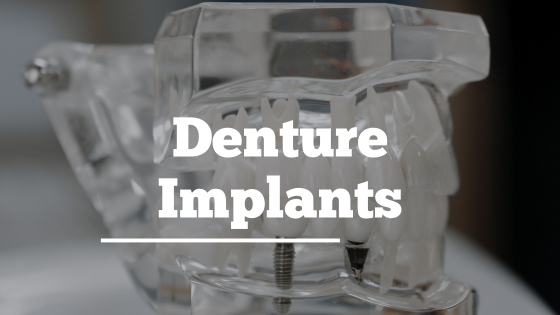
Denture implants, also known as implant-supported dentures, are a hybrid between traditional dentures and dental implants. Instead of resting on the gums like conventional dentures, these are anchored to the jawbone using titanium implants. This provides a stable, long-lasting foundation for artificial teeth.

Components of Denture Implants:

  • Implants: Titanium posts surgically placed into the jawbone.
  • Abutments: Connectors that attach the denture to the implants.
  • Denture: The visible, removable or fixed prosthetic teeth.

There are two main types:

  • Bar-retained dentures: A thin metal bar connects implants and holds the denture in place.
  • Ball-retained dentures: Each implant has a ball-shaped attachment that snaps into the denture.

Why Choose Denture Implants?

Denture implants offer several advantages over traditional dentures:

  • Stability: No slipping or clicking while eating or speaking.
  • Comfort: Less irritation to gums.
  • Bone Preservation: Implants stimulate the jawbone, preventing bone loss.
  • Longevity: With proper care, implants can last decades.
  • Confidence: A secure fit means you can smile, laugh, and eat without worry.

Denture Implants

Denture Implants in San Antonio: What to Expect

San Antonio is home to a wide range of dental professionals offering implant-supported dentures. Whether you’re in Alamo Heights, Stone Oak, or the South Side, you’ll find clinics that specialize in affordable and advanced implant solutions.

The Process:

Consultation: Includes X-rays or CT scans to assess bone density.

Implant Placement: Titanium posts are surgically inserted into the jaw.

Healing Period: Osseointegration (bone fusing) takes 3–6 months.

Abutment & Denture Placement: Once healed, the denture is attached.

Some clinics offer same-day implants, but most follow a staged approach to ensure long-term success.

How Much Do Denture Implants Cost in San Antonio?

The cost of denture implants in San Antonio varies based on several factors, including the number of implants, materials used, and the complexity of your case.

Average Costs:

  • Treatment Type Estimated Cost (San Antonio)
  • Single Dental Implant Starting at $1,285
  • Full Arch (All-on-4 or similar) Starting at $19,900
  • Implant-Supported Denture (Upper or Lower) $6,000–$12,000 per arch

These prices typically include:

  • Consultation and imaging
  • Surgical placement of implants
  • Abutments and denture fabrication
  • Follow-up visits

Some clinics, like Affordable Dentures & Implants in San Antonio, offer New Denture Wearer Packages starting at $749 for economy dentures and $2,157 for premium 3D-printed options. However, these may not include implants.

Insurance and Financing Options

Most dental insurance plans do not fully cover implant procedures, though they may help with preliminary treatments or the final denture. That said, many San Antonio clinics offer financing through CareCredit or ONEderful, allowing patients to spread payments over time.

Factors That Influence Cost

Several variables can affect the final price:

  • Number of implants: More implants = higher cost.
  • Bone grafting: Required if jawbone density is low.
  • Material choices: Zirconia crowns cost more than porcelain.
  • Dentist’s experience: Highly experienced specialists may charge more.
  • Location: Prices can vary even within San Antonio neighborhoods.

Choosing the Right Provider in San Antonio

When selecting a dental provider, consider:

  • Experience with implants
  • In-house lab capabilities
  • Transparent pricing
  • Patient reviews and testimonials
  • Free consultations or second opinions

Clinics like Fountain of Youth Dental and Denture Implants San Antonio offer comprehensive guides and consultations to help patients understand their options and costs.

In Conclusion

Denture implants are a transformative solution for those seeking a permanent, comfortable, and natural-looking alternative to traditional dentures. While the upfront cost in San Antonio can be significant, the long-term benefits—both functional and emotional—are often well worth the investment.

If you’re ready to reclaim your smile and confidence, consider scheduling a consultation with a local implant specialist. Your future self (and your jawbone) will thank you.